
Table of Contents
- 1. Prioritize Anti-Inflammatory Nutrition
- 2. Exercise Consistently — But Smartly
- 3. Control Blood Pressure Rigorously
- 4. Maintain a Healthy Weight
- 5. Quit Smoking and Minimize Alcohol
- 6. Manage Stress Actively
- 7. Monitor Heart Health Regularly With ECG
- The Role of Supplements in Supporting Valve Health
- Who Is Most at Risk and When to See a Doctor
- Conclusion
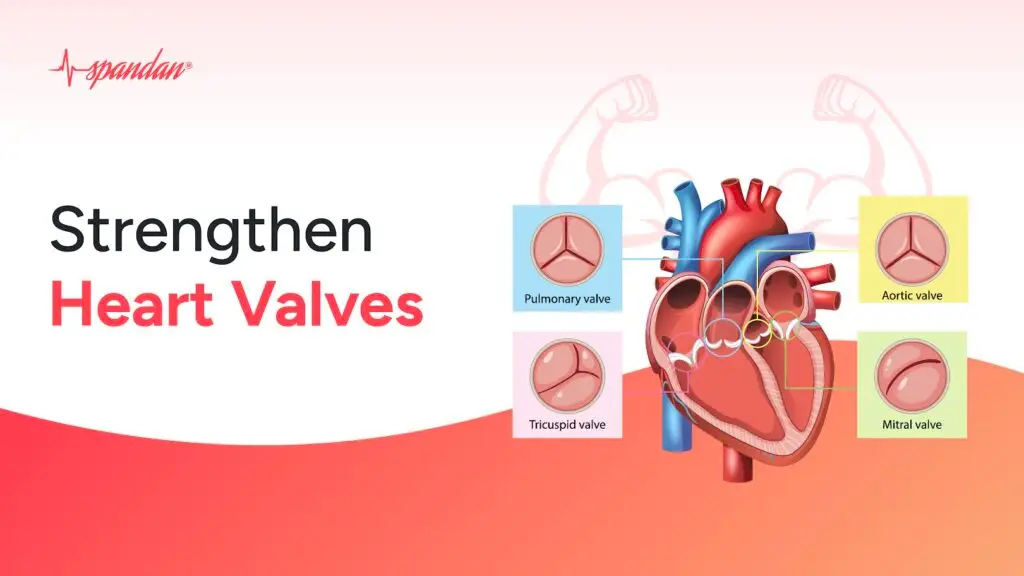
Your heart valves open and close over 100,000 times every single day. They are the gatekeepers of your circulation — ensuring that blood flows in the right direction through the right chambers at the right time. When they weaken or become stiff, the consequences range from fatigue and breathlessness to heart failure and stroke.
The good news is that lifestyle choices have a measurable impact on valve health. Understanding how to strengthen heart valves naturally is not about replacing medical care — it is about creating the conditions in which your heart can function at its best, slow the progression of valve problems, and reduce the risk of needing invasive intervention.
This article gives you seven evidence-based, practical methods for how to strengthen heart valves naturally — alongside the science that explains why each one works. Whether you are managing a diagnosed valve condition or simply protecting your cardiac health for the future, these strategies for how to strengthen heart valves naturally are backed by cardiology research and applicable immediately.
Why Heart Valve Health Matters More Than Most People Realize
Heart valves are not passive structures. They are dynamic, living tissue — made of collagen, elastin, and specialized cells that respond to the mechanical forces placed on them. Like muscles and bones, they adapt to the conditions they are exposed to. Chronic inflammation, high blood pressure, poor nutrition, and physical inactivity all accelerate valve degeneration. Conversely, targeted lifestyle interventions directly support valve tissue integrity and cardiac function.
Valve disease is more common in India than most people realize. Rheumatic heart disease — caused by untreated strep throat infections in childhood — remains a leading cause of valve damage in the Indian population, particularly mitral valve disease. Degenerative valve disease, driven by ageing and lifestyle factors, is increasingly common as India's population ages and urbanizes.
Understanding how to strengthen heart valves naturally is therefore relevant not just for people with diagnosed valve conditions — it is essential preventive knowledge for anyone who wants to protect their long-term cardiac health. How to strengthen heart valves naturally is a question with clear, actionable answers — and the seven strategies below are the starting point.
1. Prioritize Anti-Inflammatory Nutrition
Chronic low-grade inflammation is one of the primary drivers of heart valve degeneration. Inflammatory processes accelerate calcification of the aortic valve, damage the delicate leaflets of the mitral valve, and impair the endothelial lining that protects valve tissue.
Learning how to strengthen heart valves naturally begins with what you eat. An anti-inflammatory diet centred on whole foods — vegetables, fruits, legumes, whole grains, nuts, seeds, and fatty fish — provides the raw materials your heart valves need to maintain structural integrity.
Specific nutrients that directly support valve health include omega-3 fatty acids (found in fatty fish like sardines, mackerel, and salmon), which reduce inflammation and support endothelial function. Vitamin K2 — found in fermented foods, egg yolks, and certain cheeses — plays a critical role in preventing calcium from depositing in soft tissues including heart valves. Magnesium, found in leafy greens, seeds, and nuts, supports smooth muscle function and helps regulate blood pressure.
What to limit is equally important. Processed foods, refined sugars, trans fats, and excess sodium all promote inflammation and contribute to the hypertension that places mechanical stress on valve tissue. For anyone asking how to strengthen heart valves naturally, reducing ultra-processed food consumption is one of the most impactful changes they can make.
2. Exercise Consistently — But Smartly
Regular physical activity is one of the most well-established ways to support heart valve health. Exercise improves cardiac output, reduces blood pressure, helps maintain a healthy weight, and reduces systemic inflammation — all of which directly benefit valve tissue.
Aerobic exercise is the cornerstone. Walking, cycling, swimming, and light jogging all strengthen the heart muscle and improve the efficiency of blood flow through the valves. For most adults, 150 minutes of moderate-intensity aerobic exercise per week is the evidence-based recommendation — and this target is directly relevant to how to strengthen heart valves naturally in a sustainable, long-term way.
Resistance training, when performed at moderate intensity, also supports cardiovascular health by improving metabolic function and helping maintain a healthy body composition. However, very heavy weightlifting — particularly exercises involving the Valsalva manoeuvre, where you hold your breath and strain — can spike blood pressure dramatically and is not recommended for people with known valve conditions without medical clearance.
The key principle when thinking about how to strengthen heart valves naturally through exercise is consistency over intensity. A daily thirty-minute walk sustained over years does more for valve health than occasional bursts of strenuous activity. For people new to exercise, starting with ten-minute walks after meals and gradually building duration is a safe and effective entry point into how to strengthen heart valves naturally through movement.
3. Control Blood Pressure Rigorously
High blood pressure is perhaps the single most destructive force acting on heart valves over time. Every heartbeat sends a pressure wave through the aortic valve — and when that pressure is chronically elevated, the mechanical stress accelerates valve leaflet damage, promotes fibrosis, and drives calcification.
Controlling hypertension is therefore central to how to strengthen heart valves naturally — or more precisely, how to protect them from progressive damage. Target blood pressure for most adults is below 130/80 mmHg. Achieving and maintaining this through lifestyle alone is possible for many people.
Natural blood pressure reduction strategies include the DASH diet (Dietary Approaches to Stop Hypertension), which emphasises vegetables, fruits, low-fat dairy, and reduced sodium. Regular aerobic exercise reduces systolic blood pressure by an average of 5 to 8 mmHg — a meaningful reduction that directly reduces valve stress. Stress management techniques including deep breathing, yoga, and meditation activate the parasympathetic nervous system and lower both heart rate and blood pressure. Reducing alcohol intake and quitting smoking also produce significant blood pressure reductions.
For people already on antihypertensive medications, lifestyle measures complement medication rather than replacing it. The goal is the lowest achievable blood pressure within safe limits — because every point of reduction translates directly into reduced mechanical stress on valve tissue. Blood pressure control is arguably the most measurable and trackable dimension of how to strengthen heart valves naturally — and home blood pressure monitoring makes it easy to assess progress week by week.
4. Maintain a Healthy Weight
Excess body weight forces the heart to work harder with every beat. This increased workload translates into elevated pressure across all four heart valves — and over years and decades, that sustained pressure accelerates valve wear and degeneration.
Obesity is also strongly associated with systemic inflammation, insulin resistance, and sleep apnea — all of which independently damage cardiovascular tissue. For anyone exploring how to strengthen heart valves naturally, weight management is a non-negotiable component of the strategy.
Even modest weight loss produces measurable cardiac benefits. A 5 to 10% reduction in body weight in overweight individuals has been shown to reduce blood pressure, lower inflammatory markers, and improve left ventricular function — all of which reduce the burden on heart valves.
The most effective approach combines reduced caloric intake with regular physical activity. Crash diets and extreme caloric restriction are counterproductive — they can cause electrolyte imbalances that destabilize heart rhythm. Gradual, sustained weight loss of 0.5 to 1 kilogram per week through dietary adjustment and exercise is the medically recommended approach for protecting long-term valve health. For people who are overweight, achieving a healthy BMI is one of the most impactful things they can do to learn how to strengthen heart valves naturally through biomechanical offloading alone.
5. Quit Smoking and Minimize Alcohol
Smoking is directly toxic to cardiovascular tissue. Nicotine and the thousands of chemical compounds in cigarette smoke damage the endothelial lining of blood vessels and heart valves, promote oxidative stress, increase blood pressure, and accelerate atherosclerosis. For anyone genuinely committed to learning how to strengthen heart valves naturally, quitting smoking is the single most impactful step they can take.
The benefits of quitting begin within hours and compound over years. Within 24 hours, blood pressure and heart rate begin to normalize. Within weeks, inflammatory markers drop. Within a year, cardiovascular risk decreases substantially. No supplement, diet, or exercise regimen can replicate the benefit of stopping smoking entirely.
Alcohol, consumed in excess, weakens the heart muscle directly — a condition called alcoholic cardiomyopathy. Even moderate regular alcohol consumption raises blood pressure and promotes atrial fibrillation, which places abnormal stress on the mitral and tricuspid valves. Limiting alcohol to no more than one standard drink per day for women and two for men — or eliminating it entirely — is a meaningful step in how to strengthen heart valves naturally through lifestyle modification. For people with existing valve conditions, complete alcohol avoidance is the safest approach and should be discussed with a cardiologist.
6. Manage Stress Actively
Chronic psychological stress has a direct physiological impact on the heart. Sustained stress elevates cortisol and adrenaline, raises blood pressure, promotes inflammation, and triggers arrhythmias. All of these effects place additional burden on heart valves — and over time, unmanaged chronic stress accelerates the same degenerative processes that lifestyle diseases drive.
How to strengthen heart valves naturally must therefore include a strategy for stress management. The most evidence-supported approaches include regular mindfulness meditation, which has been shown in multiple clinical trials to reduce blood pressure and inflammatory markers. Yoga — particularly the slower, breath-focused styles such as Hatha and Yin — activates the parasympathetic nervous system, reducing heart rate and blood pressure simultaneously.
Deep diaphragmatic breathing, practised for as little as ten minutes per day, stimulates the vagus nerve and shifts the autonomic balance away from chronic sympathetic activation. Sleep — seven to nine hours of quality sleep per night — is the body's primary recovery mechanism, and chronic sleep deprivation is independently associated with elevated cardiovascular risk.
Incorporating stress management into a daily routine is not a luxury — it is a clinical necessity for anyone serious about how to strengthen heart valves naturally over the long term. The mind-body connection in cardiac health is well established — and addressing it is as important as any dietary or exercise change when considering how to strengthen heart valves naturally.
7. Monitor Heart Health Regularly With ECG
The most dangerous aspect of heart valve disease is that it often progresses silently for years before producing noticeable symptoms. By the time breathlessness, fatigue, or palpitations appear, significant valve dysfunction may already be present. Regular cardiac monitoring allows problems to be detected early — when intervention is most effective and least invasive.
ECG monitoring is a valuable tool in this context. While an ECG does not directly image the valves, it detects the arrhythmias, conduction abnormalities, and chamber enlargement patterns that often accompany valve dysfunction. Atrial fibrillation — one of the most common complications of mitral valve disease — is readily identified on ECG and, when caught early, can be managed much more effectively.
Devices like Spandan from Sunfox Technologies make regular ECG monitoring accessible at home. A full 12-lead ECG can be recorded in under 60 seconds using a smartphone — generating a report that any cardiologist can interpret. For people pursuing how to strengthen heart valves naturally through lifestyle changes, regular ECG monitoring provides the objective data to track cardiac health over time and catch any deterioration before it becomes a crisis.
Annual echocardiograms — which directly image the valves and measure their function — are recommended for anyone with a known valve condition or significant risk factors. Used together with ECG monitoring and the lifestyle strategies above, they form a comprehensive approach to long-term valve health.
The Role of Supplements in Supporting Valve Health
Beyond diet and exercise, certain supplements have emerging evidence for supporting cardiovascular and valve health — and understanding them is a useful addition to any plan for how to strengthen heart valves naturally.
Coenzyme Q10 (CoQ10) is one of the most studied cardiac supplements. It supports mitochondrial energy production in heart muscle cells and has antioxidant properties that protect cardiovascular tissue from oxidative damage. Several studies have shown CoQ10 supplementation to reduce blood pressure and improve cardiac function in people with heart failure and valve dysfunction.
Vitamin D deficiency is strongly associated with cardiovascular disease and has been linked to impaired valve function in several observational studies. Maintaining adequate vitamin D levels — through sun exposure, dietary sources, or supplementation where deficiency is confirmed — is a reasonable component of how to strengthen heart valves naturally.
Magnesium supplementation is particularly relevant for people with arrhythmias or elevated blood pressure. Magnesium plays a direct role in regulating the electrical activity of the heart and supporting vascular smooth muscle relaxation. Many Indians are subclinically magnesium-deficient due to dietary patterns heavy in refined grains and low in nuts, seeds, and leafy greens.
It is important to note that supplements should complement — not replace — the foundational lifestyle strategies described in this article. Before starting any supplement regimen, particularly for people with existing heart conditions or on cardiac medications, consultation with a cardiologist is essential. How to strengthen heart valves naturally through supplementation works best as part of a broader, integrated approach to cardiac health.
Who Is Most at Risk and When to See a Doctor
While the seven strategies above are relevant for everyone, certain groups face elevated valve disease risk and should be especially proactive. These include people with a history of rheumatic fever, anyone over the age of 65 (when degenerative valve disease becomes increasingly common), people with congenital heart defects, and those with poorly controlled hypertension or diabetes.
The warning signs that warrant immediate medical attention — regardless of how well lifestyle measures are being followed — include unexplained breathlessness with mild exertion, swelling of the ankles or legs, chest tightness or pain, heart palpitations or irregular heartbeat, and unexplained fatigue that does not resolve with rest. These symptoms may indicate that valve function has deteriorated and requires medical evaluation.
How to strengthen heart valves naturally is a long-term strategy, not a quick fix — and it works best as a complement to regular medical monitoring rather than a replacement for it. Anyone who takes the question of how to strengthen heart valves naturally seriously will also take their annual cardiac checkups seriously.
Conclusion
The seven strategies in this article — anti-inflammatory nutrition, consistent exercise, blood pressure control, weight management, quitting smoking, stress management, and regular cardiac monitoring — represent the most evidence-based answer to the question of how to strengthen heart valves naturally. Each strategy individually reduces the burden on valve tissue; together, they create a compounding protective effect that no single intervention can match. How to strengthen heart valves naturally is not one decision — it is a series of daily decisions that accumulate over months and years into measurably better cardiac outcomes.
None of these approaches are complicated. All of them are accessible. And together, they create the conditions in which heart valves can function optimally for decades — reducing the risk of valve disease progression, surgical intervention, and the life-limiting symptoms that advanced valve dysfunction produces. The question is not whether it is possible to learn how to strengthen heart valves naturally. The science is clear that it is. The question is whether you will begin today.
The heart valves work for you every moment of your life. The strategies above are how you work for them.