
Sunfox Technologies

Hypertension Symptoms You Should Never Ignore: A Comprehensive Guide

hypertension symptoms
Related Products
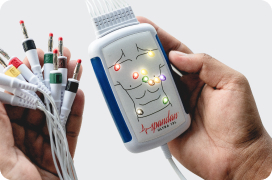
Spandan
The revolutionary portable ECG device
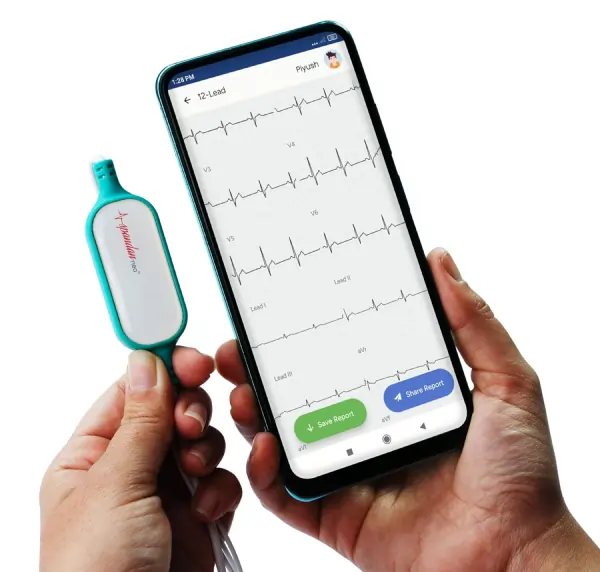
Spandan Neo
The Next generation Cardiac care
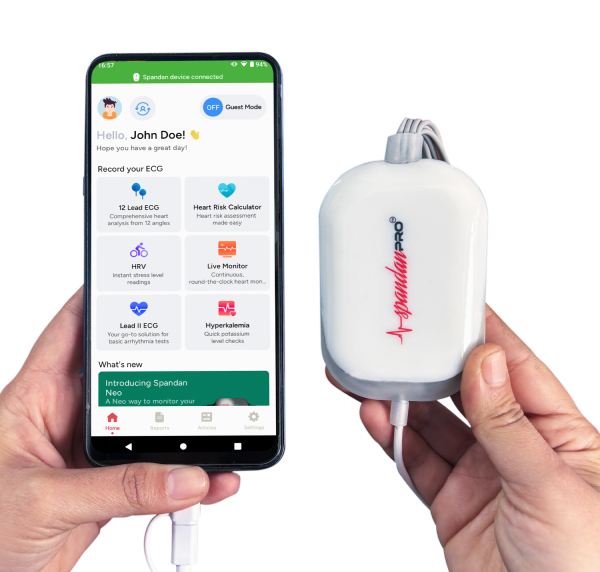
Spandan Pro
Power of 12 Lead ECG Unleashed in a cord

Hypertension Symptoms You Should Never Ignore: A Comprehensive Guide

Table of Contents

High blood pressure is frequently described as a silent killer — and for good reason. Unlike many medical conditions, it rarely arrives with pain or dramatic warning signs that force a person to stop and take notice. This is what makes hypertension symptoms particularly dangerous: they are either absent altogether, or so subtle that they blend into the background of everyday life.

In India, an estimated one in three adults lives with high blood pressure, and a large proportion of them are completely unaware of it. By the time a diagnosis is made, the condition may have already been silently damaging the heart, kidneys, brain, and blood vessels for years. The consequences — stroke, heart failure, kidney disease, and vision loss — are serious, but largely preventable when the condition is identified and managed in time.

This guide examines the full picture of hypertension symptoms: what they look like, which ones are most commonly dismissed, how they differ across individuals, and what you should do if you recognize them in yourself or someone you care for.

What Are Hypertension Symptoms and Why Do They Matter?

Blood pressure measures the force with which blood pushes against the walls of arteries as the heart pumps it around the body. A reading above 130/80 mmHg is generally considered elevated; anything above 140/90 mmHg is classified as hypertension in most clinical guidelines. When this pressure remains consistently high over time, it places sustained mechanical stress on arterial walls and vital organs.

Hypertension symptoms matter because they serve as the body’s limited and imperfect attempt to signal that something is wrong. The challenge is that high blood pressure can remain entirely asymptomatic for years — which is why regular monitoring is so important, particularly for those with known risk factors.

When hypertension symptoms do appear, they tend to reflect the strain that elevated pressure is placing on specific organ systems. A persistent headache may indicate increased pressure in the cerebral blood vessels. Breathlessness during routine activity may reflect early cardiac strain. Vision disturbances may signal changes in the delicate blood vessels at the back of the eye. Each of these deserves careful attention — not as isolated inconveniences, but as potential indicators of a condition that requires medical management.

The Most Common Hypertension Symptoms People Overlook

The irony of high blood pressure is that the symptoms most closely associated with it are also among the most easily dismissed. Understanding them in context is what allows people to connect the dots before a more serious event occurs.

Frequent headaches — particularly those felt at the back of the head or upon waking in the morning — are one of the more recognized hypertension symptoms. These occur because elevated arterial pressure affects the blood vessels supplying the brain, causing a dull, throbbing discomfort that is often mistaken for tension headaches or dehydration.

Dizziness and a sensation of light-headedness, especially when standing up quickly, are also commonly reported. While these can have a range of causes, in the context of hypertension symptoms, they reflect the body’s difficulty in regulating blood flow under conditions of elevated pressure.

Nosebleeds, though they can occur for entirely unrelated reasons, are worth noting when they happen frequently and without an obvious cause. In cases of significantly elevated blood pressure, the small vessels inside the nasal passages can rupture more easily than usual.

Palpitations — a noticeable awareness of the heartbeat, sometimes described as a fluttering or pounding sensation in the chest — are another signal that something may be affecting the cardiovascular system. Over time, hypertension forces the heart to work harder, and the heart may respond with irregular rhythms that produce this sensation.

Hypertension Symptoms That Signal Serious Danger

Most hypertension symptoms develop gradually and allow time for measured medical intervention. However, there is a subset of warning signals that indicate a hypertensive crisis — a sudden and severe spike in blood pressure that constitutes a medical emergency and requires immediate hospitalization.

A sudden, intense headache that feels unlike anything experienced before — sometimes described as a “thunderclap” — is one such signal. When this is accompanied by confusion, slurred speech, difficulty walking, numbness in the face or limbs, or loss of vision, a stroke must be immediately suspected, and emergency services should be called without delay.

Severe chest pain combined with breathlessness and a rapid or irregular heartbeat may indicate that hypertension has precipitated an acute cardiac event. These are not symptoms to manage at home or wait out. They require emergency attention, and every minute of delay increases the likelihood of permanent organ damage.

Sudden vision loss or the appearance of flashing lights and dark spots across the visual field can indicate hypertensive retinopathy or retinal artery occlusion — both of which are serious and require urgent ophthalmic assessment.

Blood in the urine is particularly concerning in someone with known or suspected high blood pressure, as it may point to kidney damage — an organ highly vulnerable to sustained elevated pressure.

How Hypertension Symptoms Differ Between Men and Women

One of the less widely understood aspects of high blood pressure is that its presentation is not uniform. Hypertension symptoms can vary meaningfully between men and women, and this difference has clinical implications that affect how quickly the condition is identified and treated.

In men, high blood pressure tends to present more consistently with classical cardiovascular signals — chest discomfort, exertional breathlessness, and palpitations. These symptoms align more closely with the textbook picture of heart-related illness, which means they are more likely to prompt a medical consultation.

In women, hypertension symptoms are often more diffuse and non-specific. Fatigue, sleep disturbance, anxiety, and facial flushing are frequently reported, but are less likely to be attributed to blood pressure. Hormonal changes — particularly during pregnancy and after menopause — can significantly alter blood pressure dynamics, making women at these life stages more vulnerable to rapid fluctuations that may not be immediately obvious.

Pregnancy-related hypertension, including preeclampsia, is a specific condition that can develop even in women with no prior history of high blood pressure. Symptoms such as severe headaches, visual changes, and upper abdominal discomfort during pregnancy should always be investigated promptly, as the risks to both mother and child are substantial.

Understanding these differences is important not just for individuals, but for anyone living with or caring for someone who may be at risk.

Hypertension Symptoms vs Normal Stress: How to Tell the Difference

One of the most common sources of confusion when it comes to hypertension symptoms is their overlap with the physical manifestations of stress and anxiety. Headaches, palpitations, breathlessness, and fatigue are all features of both conditions, which makes distinguishing between them genuinely difficult without measurement.

The critical distinction is persistence. Stress-induced physical symptoms tend to fluctuate in direct response to circumstances — they worsen during difficult periods and ease when the stressor resolves. Hypertension symptoms tend to be more consistent and less clearly connected to specific emotional triggers. They may be present during calm, relaxed periods just as much as during demanding ones.

The only definitive way to separate high blood pressure from stress-related symptoms is to measure blood pressure — ideally on multiple occasions, at different times of day, and in different settings. A single elevated reading at a clinic is not sufficient for diagnosis, as the anxiety of a medical appointment can temporarily raise pressure (a well-documented phenomenon known as “white coat hypertension”). Multiple readings over time provide a far more accurate picture.

Home blood pressure monitoring has made this tracking far more accessible. Compact devices allow individuals to build a reliable record that informs a doctor’s assessment with much more detail than a single clinic reading.

When Hypertension Symptoms Require Immediate Medical Attention

Knowing when to seek help is just as important as knowing what hypertension symptoms look like. Not every signal demands an emergency response, but some patterns absolutely do, and hesitating in those situations can have irreversible consequences.

You should contact emergency services immediately if you experience any of the following: a sudden severe headache with no prior history of similar pain; loss of vision in one or both eyes; weakness, numbness, or paralysis on one side of the body; sudden confusion or difficulty speaking; chest pain accompanied by breathlessness; or a reading above 180/120 mmHg on a home monitor, especially if accompanied by any of the above.

You should schedule an urgent (same-day or next-day) appointment with your doctor if you are experiencing persistent headaches over several days, recurrent palpitations, significant unexplained fatigue, or consistent readings above 140/90 mmHg at home.

You should schedule a routine appointment if you have not had your blood pressure checked in the past year, if you have multiple risk factors for hypertension, or if you notice mild hypertension symptoms that have been present for a few weeks without a clear explanation.

The guiding principle: blood pressure caught and managed early is far less dangerous than pressure left unchecked. When in doubt, consult a doctor without delay.

Managing the Root Cause — Not Just the Hypertension Symptoms

Addressing the symptoms alone, without treating the underlying elevation in blood pressure, is like silencing a smoke alarm while ignoring the fire. Effective management of high blood pressure requires a combination of lifestyle changes, regular monitoring, and — in many cases — medication prescribed and supervised by a doctor.

From a lifestyle perspective, reducing dietary sodium is one of the most evidence-based interventions available. The typical Indian diet tends to be high in salt, and even modest reductions can produce measurable improvements in blood pressure over weeks. Increasing physical activity, reducing alcohol consumption, managing body weight, and addressing chronic stress are all part of a comprehensive approach.

Medication, when prescribed, works most effectively when taken consistently and paired with these lifestyle changes. Stopping medication once readings improve is a common and dangerous mistake — hypertension requires continuous management, not a fixed treatment course.

Regular monitoring is the thread that holds everything together. Whether through a clinic visit or a home device, tracking blood pressure over time allows both patient and doctor to evaluate whether the management plan is working — and to adjust it before problems develop. At Sunfox, our monitoring solutions are designed to make this kind of consistent, accessible tracking possible for people in all settings, from urban apartments to rural health centres.

Conclusion

Hypertension is not a condition that announces itself with certainty. It develops quietly, over years, and by the time the damage becomes visible — in the form of a stroke, a heart attack, or kidney failure — a great deal has already been lost. The path to prevention begins with recognizing the signals the body does send, taking them seriously, and acting before the situation escalates.

If you have been experiencing persistent headaches, unusual fatigue, palpitations, or any of the other signals described in this article, do not dismiss them. Have your blood pressure checked. Speak with a doctor. And if you have a family history of hypertension or any of the associated risk factors, begin monitoring proactively — before symptoms ever appear.

Your blood pressure tells a story. The earlier you start reading it, the more options you have to write a better outcome.

Related Articles
early signs of heart attack
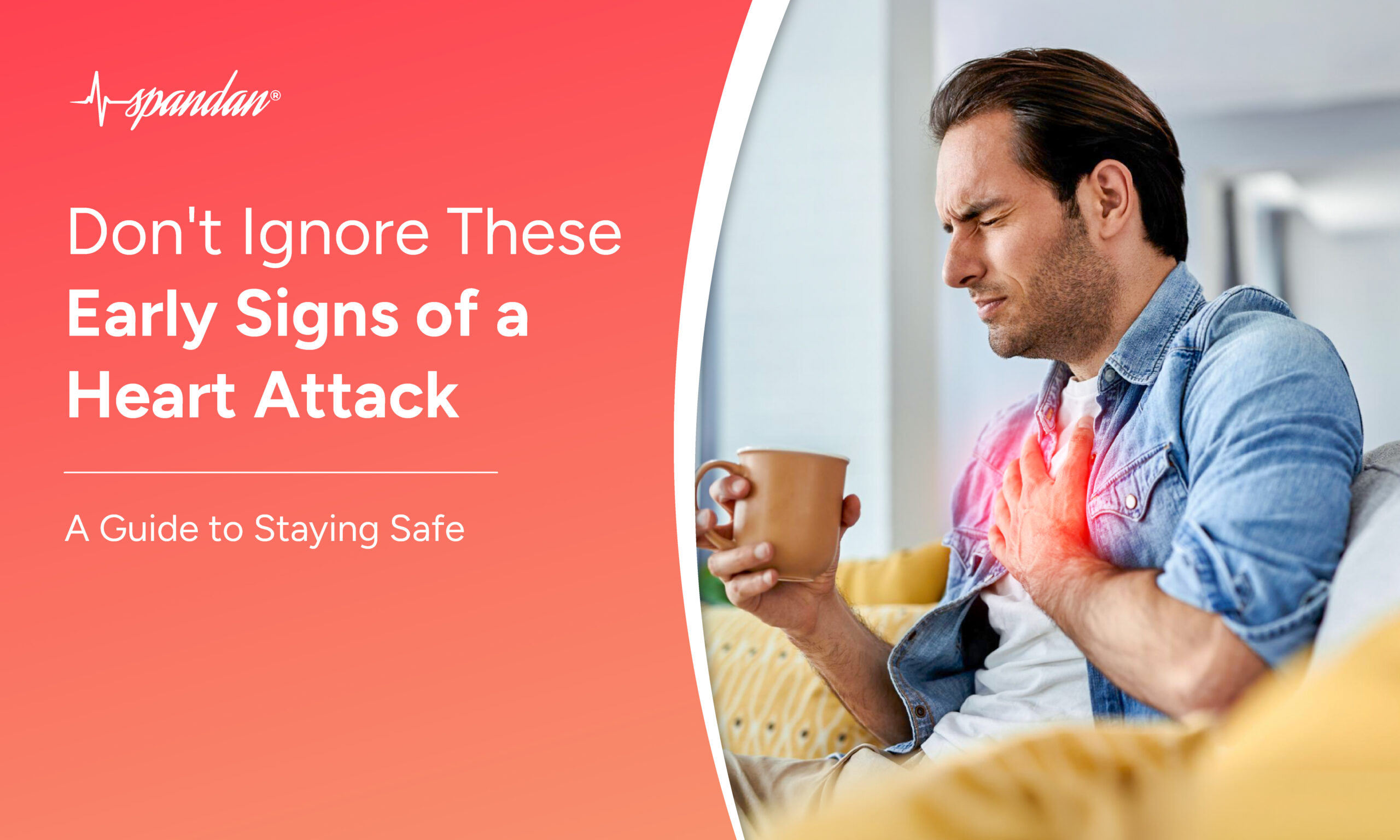
Don't Ignore These Early Signs of Heart Attack: A Guide to Staying Safe
Read More
diabetes and heart attacks
The Truth About Cholesterol: Common Myths Among Indians That Could Harm Your Heart
Read More
heart attack symptoms in women
Women Heart Symptoms: A Comprehensive Guide to Recognizing Early Warning Signs
Read More
intermittent fasting
The Effects of Intermittent Fasting on Your Heart: A Comprehensive Guide
Read More
traveling with a heart condition
Traveling with a Heart Condition: A Complete Safety Checklist
Read More
Related Products
Spandan
The revolutionary portable ECG device
Spandan Neo
The Next generation Cardiac care
Spandan Pro
Power of 12 Lead ECG Unleashed in a cord
Related Articles
Book a Free Demo

Partner with Us

Please fill in your details. Our team will reach out to you within 48 hours