
Sunfox Technologies

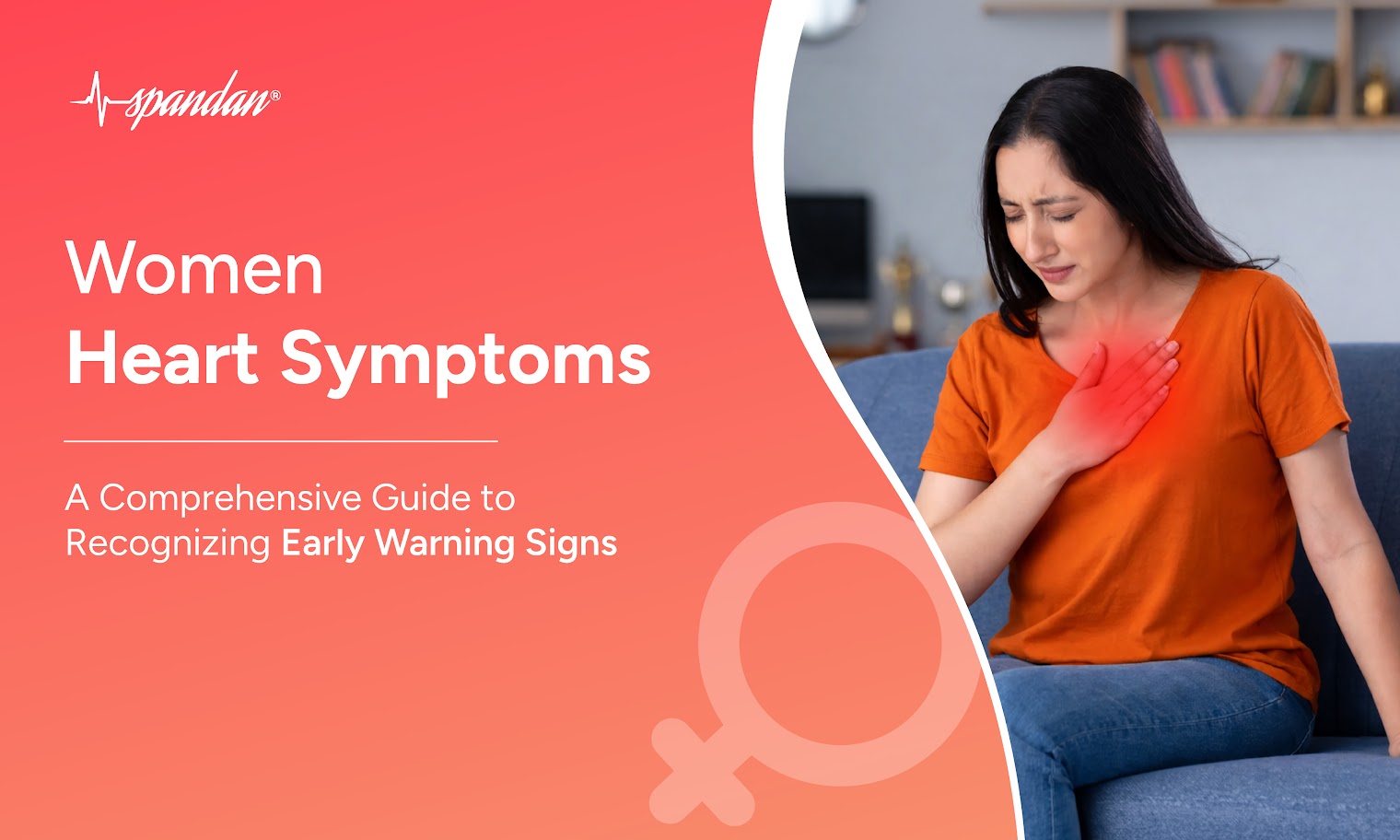
Women Heart Symptoms: A Comprehensive Guide to Recognizing Early Warning Signs

heart attack symptoms in women
Related Products
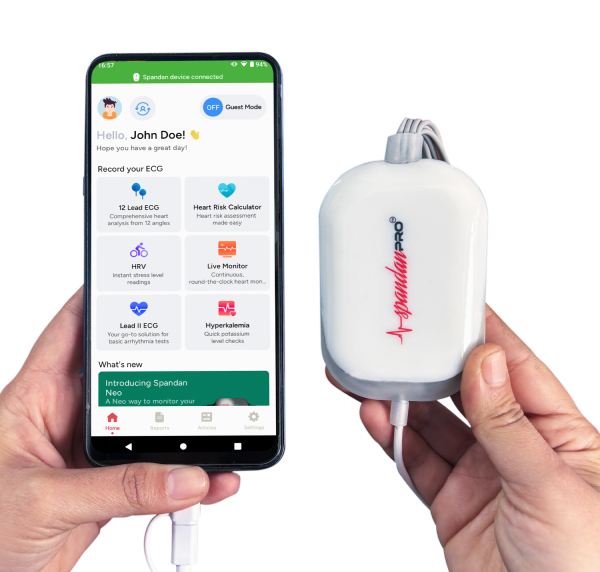
Spandan
The revolutionary portable ECG device
Spandan Neo
The Next generation Cardiac care
Spandan Pro
Power of 12 Lead ECG Unleashed in a cord

Women Heart Symptoms: A Comprehensive Guide to Recognizing Early Warning Signs

Table of Contents

Most people imagine a heart attack as sudden, crushing chest pain. That picture comes from years of research that mostly studied men. For women, a heart attack often looks very different, and that difference can be dangerous because the signs are easy to miss. Heart disease is the leading cause of death among women, yet many women do not see it as their biggest health risk. One reason is that heart attack symptoms in women are often mild, unusual, and mistaken for everyday problems like tiredness, stress, acidity, or hormonal changes.

Experts at the American Heart Association and the Mayo Clinic explain that while chest discomfort is still common, women frequently experience several other symptoms that may not seem connected to the heart. Because these signs do not match the popular image of a heart attack, many women delay seeking help until serious damage has already occurred.

Chest Discomfort Is Not Always Severe

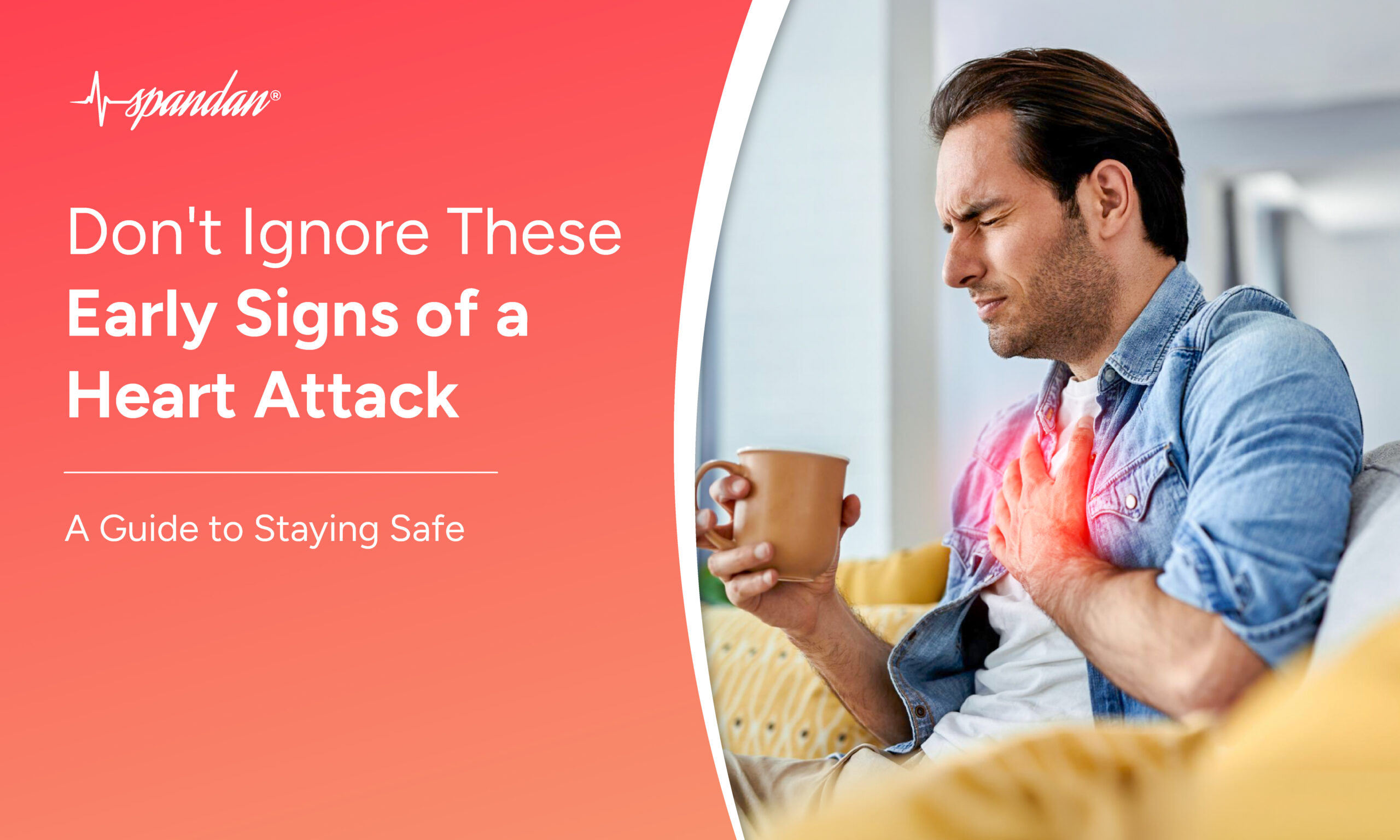
Chest discomfort is still the most reported symptom, but it often feels different from what people expect. Instead of sharp pain, women may feel pressure, tightness, heaviness, or squeezing. The feeling can be mild and may come and go. Some women do not feel chest discomfort at all, which makes it risky to rely on this one sign.

Unusual Fatigue That Feels Different

Extreme fatigue is one of the most overlooked warning signs. This is not normal tiredness after a long day. It is a deep exhaustion that may appear days or even weeks before a heart attack. Simple activities can start feeling difficult for no clear reason, and many women ignore this change thinking it is due to busy schedules or poor sleep.

Shortness of Breath Without Effort

Women often report feeling breathless while doing simple tasks or even while resting. This can happen without any chest discomfort, which makes it easy to overlook. Breathlessness that appears suddenly or feels unusual should always be taken seriously.

Pain in the Jaw, Neck, or Upper Back

Instead of pain in the arm, women may feel discomfort in the jaw, neck, upper back, or between the shoulder blades. This pain can feel like a muscle strain or stiffness and is often ignored because it does not seem heart-related.

Nausea, Indigestion, and Cold Sweats

Nausea, vomiting, or a feeling similar to indigestion is another sign that frequently leads to confusion. Many women believe they are facing a stomach problem or acidity when they are actually experiencing a cardiac issue. Cold sweats, dizziness, or lightheadedness without a clear cause can also signal trouble and are sometimes mistaken for anxiety or dehydration.

A Feeling That Something Is Not Right

Many women describe a strange feeling that something is wrong in their body before a heart attack. This sense of unease may appear hours or days earlier. Although hard to explain, this feeling has been commonly reported and should not be dismissed.

Why Women Often Ignore These Signs

These symptoms are often ignored for practical and emotional reasons. They do not match the typical image of a heart attack. Many women worry about overreacting or assume the issue is related to stress, digestion, or muscle pain. Some believe heart disease mainly affects men. Busy routines and family responsibilities also make women more likely to delay seeking medical care. This delay can be dangerous because the longer the heart muscle goes without blood flow, the more damage occurs.

Risk Factors That Affect Women Differently

High blood pressure, cholesterol, diabetes, smoking, obesity, and family history are important for everyone, but hormonal changes play a special role for women. Before menopause, estrogen offers some protection to the heart. After menopause, this protection reduces and the risk of heart disease increases quickly.

Pregnancy-related conditions such as high blood pressure, preeclampsia, or gestational diabetes can raise the risk of heart disease later in life. Autoimmune disorders like lupus and rheumatoid arthritis, which are more common in women, are also linked to higher cardiac risk. Women with diabetes or who smoke face a greater relative risk of heart disease compared to men with the same conditions. Depression and long-term stress are also associated with poorer heart health.

The Risk of Misdiagnosis

Because symptoms can be different, women are more likely to be misdiagnosed. Complaints such as fatigue, nausea, or back pain may be treated as anxiety or digestive problems rather than heart-related issues. Being aware of these differences can help women describe their symptoms more clearly and insist on proper evaluation.

When to Seek Immediate Medical Care

If you notice a combination of chest pressure, breathlessness, upper body discomfort, nausea, dizziness, or extreme fatigue, it is important to seek medical attention immediately. Even if the symptoms feel mild, acting quickly can prevent serious heart damage.

Talking Openly With Your Doctor

It is helpful to speak openly with your doctor about heart health. Share your family history, pregnancy history, menstrual or menopause status, and any existing conditions like diabetes or autoimmune disease. Regular checks for blood pressure, cholesterol, and heart rhythm can help detect problems early.

Prevention and Awareness

Prevention is always better than emergency care. Regular exercise, a balanced diet, stress control, and avoiding smoking reduce the risk of heart disease. Monitoring your heart health when you feel unusual symptoms can also help you respond early.

Heart attack symptoms in women are often quiet and gradual. They do not always look dramatic or painful. That is why awareness is so important. Listening to your body, noticing unusual changes, and taking them seriously can protect your heart and your life.

Related Articles
diabetes and heart attacks
The Truth About Cholesterol: Common Myths Among Indians That Could Harm Your Heart
Read More
intermittent fasting
The Effects of Intermittent Fasting on Your Heart: A Comprehensive Guide
Read More
traveling with a heart condition
Traveling with a Heart Condition: A Complete Safety Checklist
Read More
how to strengthen heart valves naturally
How to Strengthen Heart Valves Naturally: 7 Proven Ways
Read More
Risk Factors of Monomorphic Ventricular Tachycardia
Risk Factors of Monomorphic Ventricular Tachycardia: What You Must Know
Read More
Related Products
Spandan
The revolutionary portable ECG device
Spandan Neo
The Next generation Cardiac care
Spandan Pro
Power of 12 Lead ECG Unleashed in a cord
Related Articles
Book a Free Demo

Partner with Us

Please fill in your details. Our team will reach out to you within 48 hours